Measuring the Fields We Live In
by: Tomás Ospina Martínez — undergraduate thesis, Universidad de los Andes. Advisors: Gustavo Ramos, Valentina Reyes. November 2025.
The question
The WHO classifies extremely-low-frequency (ELF) electromagnetic fields as possibly carcinogenic, and ICNIRP has said plainly that the dosimetry gaps — how much people are actually exposed to, in the rooms where they live and work — remain open. The instruments that could close those gaps cost thousands of dollars and are built for a technician on a site visit, not for continuous monitoring.
So: can a device that costs about USD 55 in parts produce measurements a study could use? That is what this thesis set out to answer.
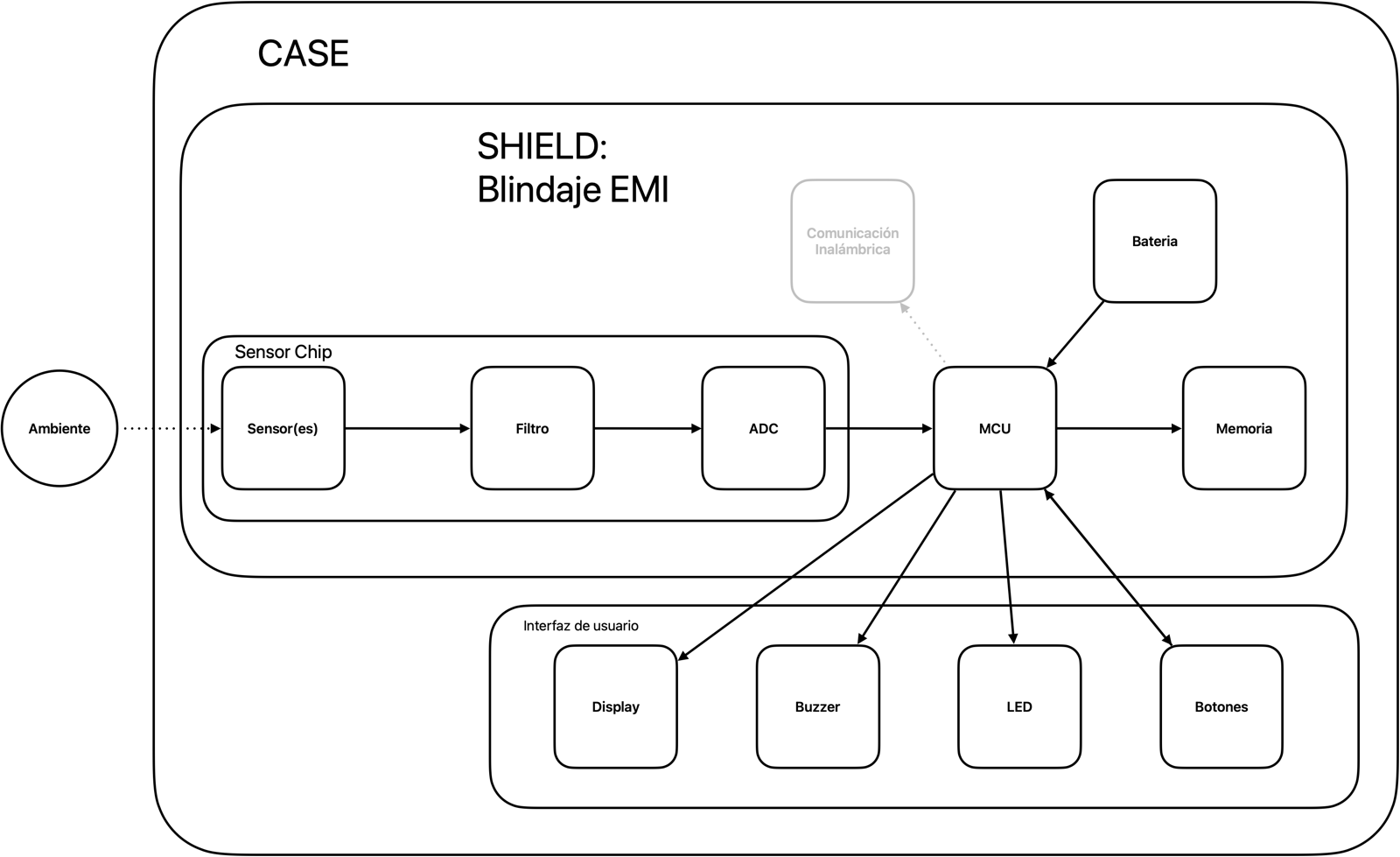
What was built
An ESP32 instrument that reads both field types at once and warns you when either one crosses the ICNIRP public-exposure limit:
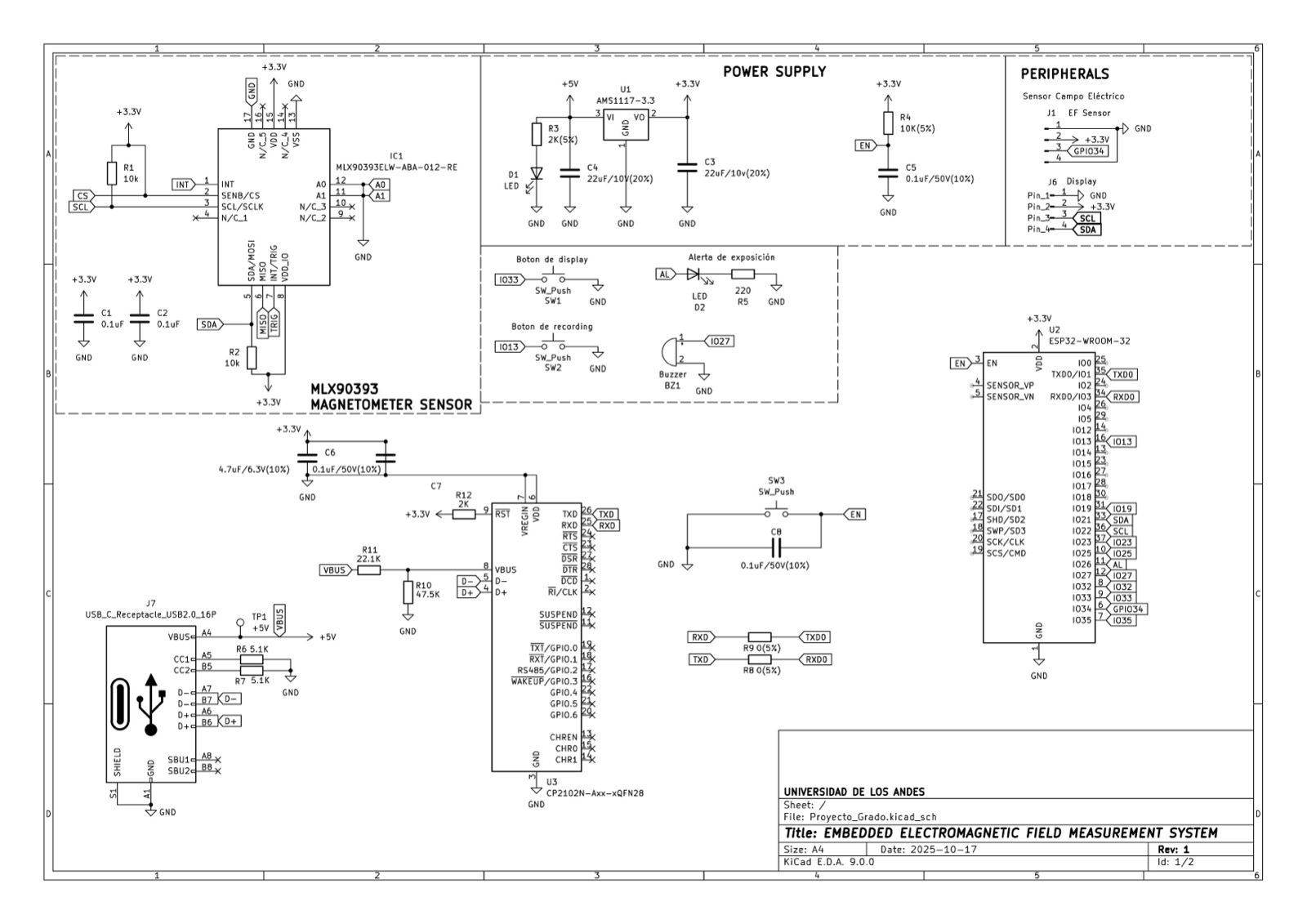
- Magnetic field — an MLX90393 magnetometer, chosen over ten candidates through a weighted scoring matrix across range, sensitivity, supply voltage, error, bandwidth and output type.
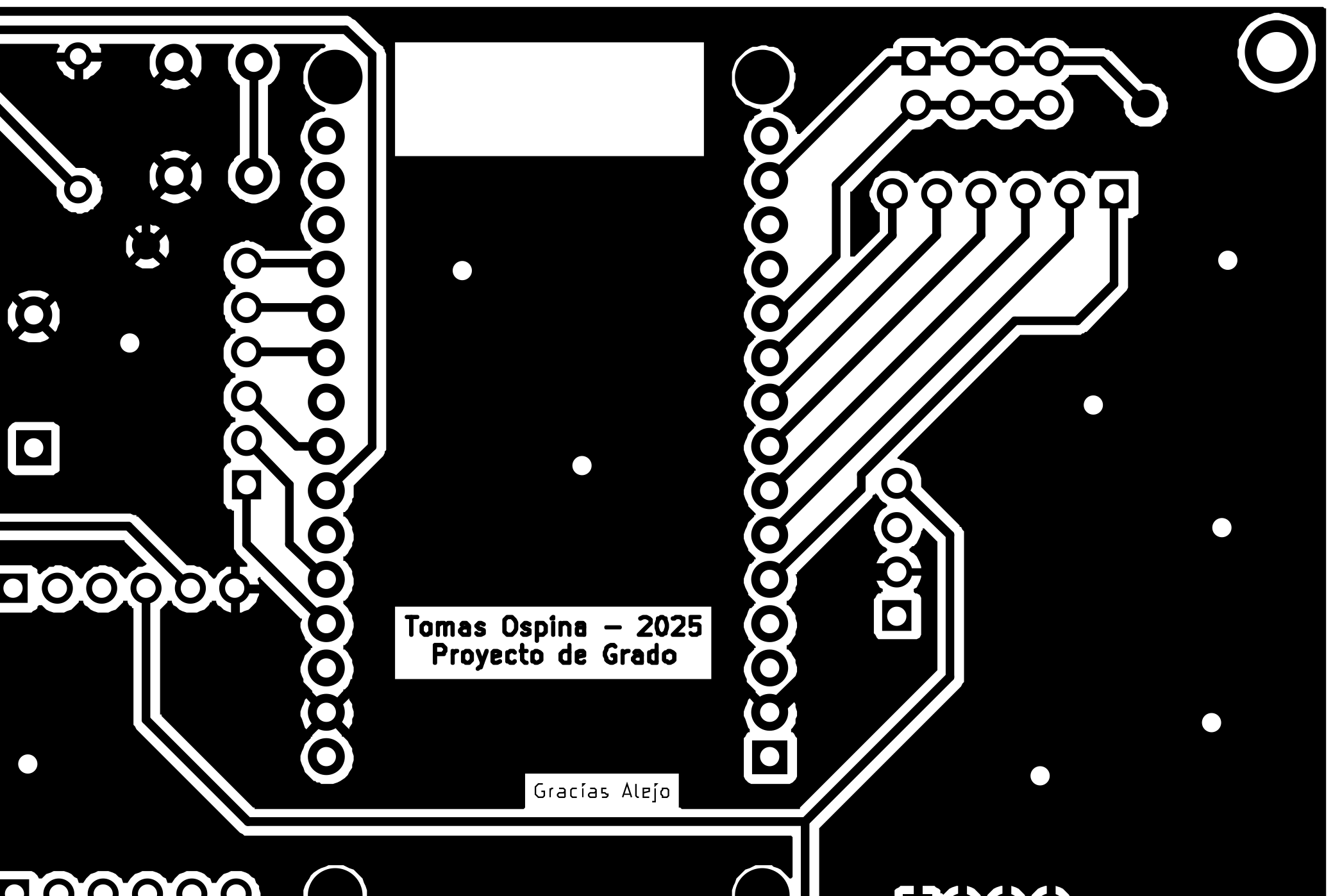
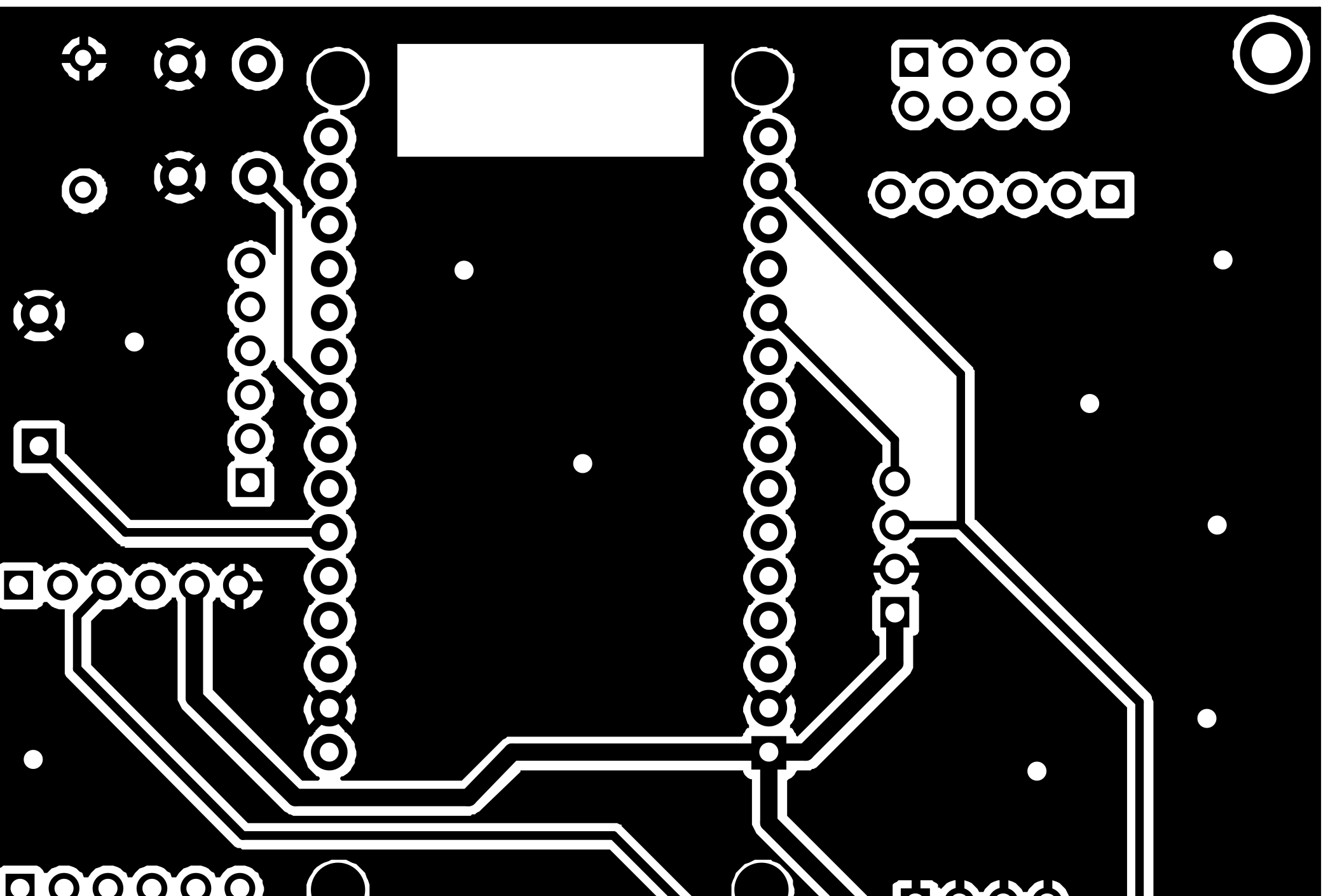
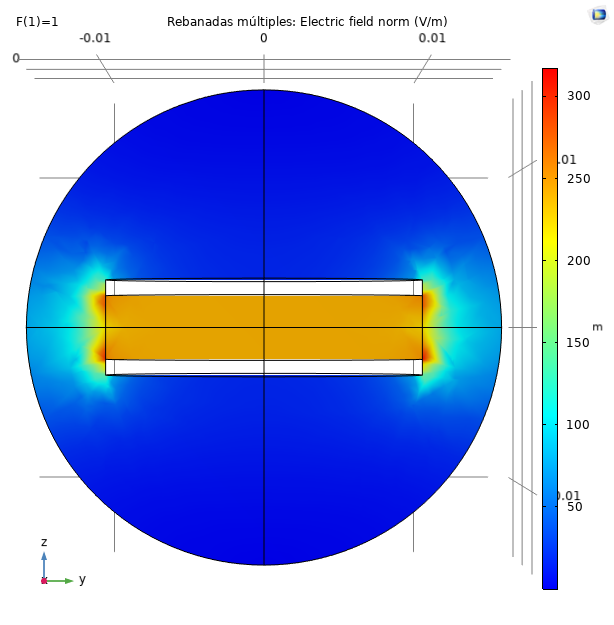
- Electric field — no suitable sensor exists off the shelf at this price, so I designed one: a parallel-plate capacitive sensor on FR-4 (40 mm plates, 1.6 mm dielectric), simulated electrostatically in COMSOL, then read through an INA114 instrumentation amplifier with a 1.65 V offset so the ESP32’s 12-bit ADC can see both signal polarities.
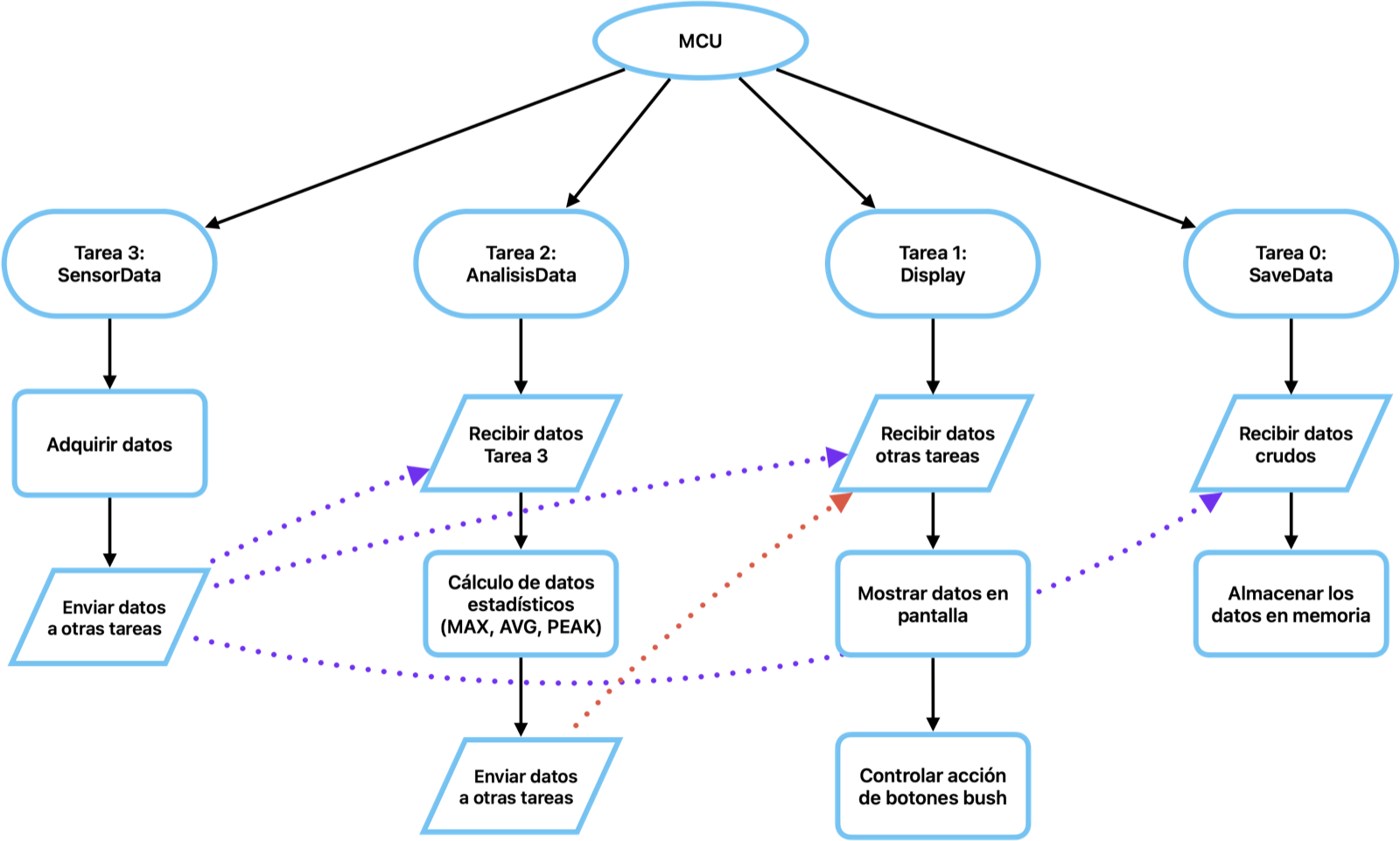
- Firmware — FreeRTOS, one task per stage: acquisition, processing, and transmission to the OLED and serial link. 140 Hz sampling, 118 mA, 32% flash and 55% RAM.
How it was proven
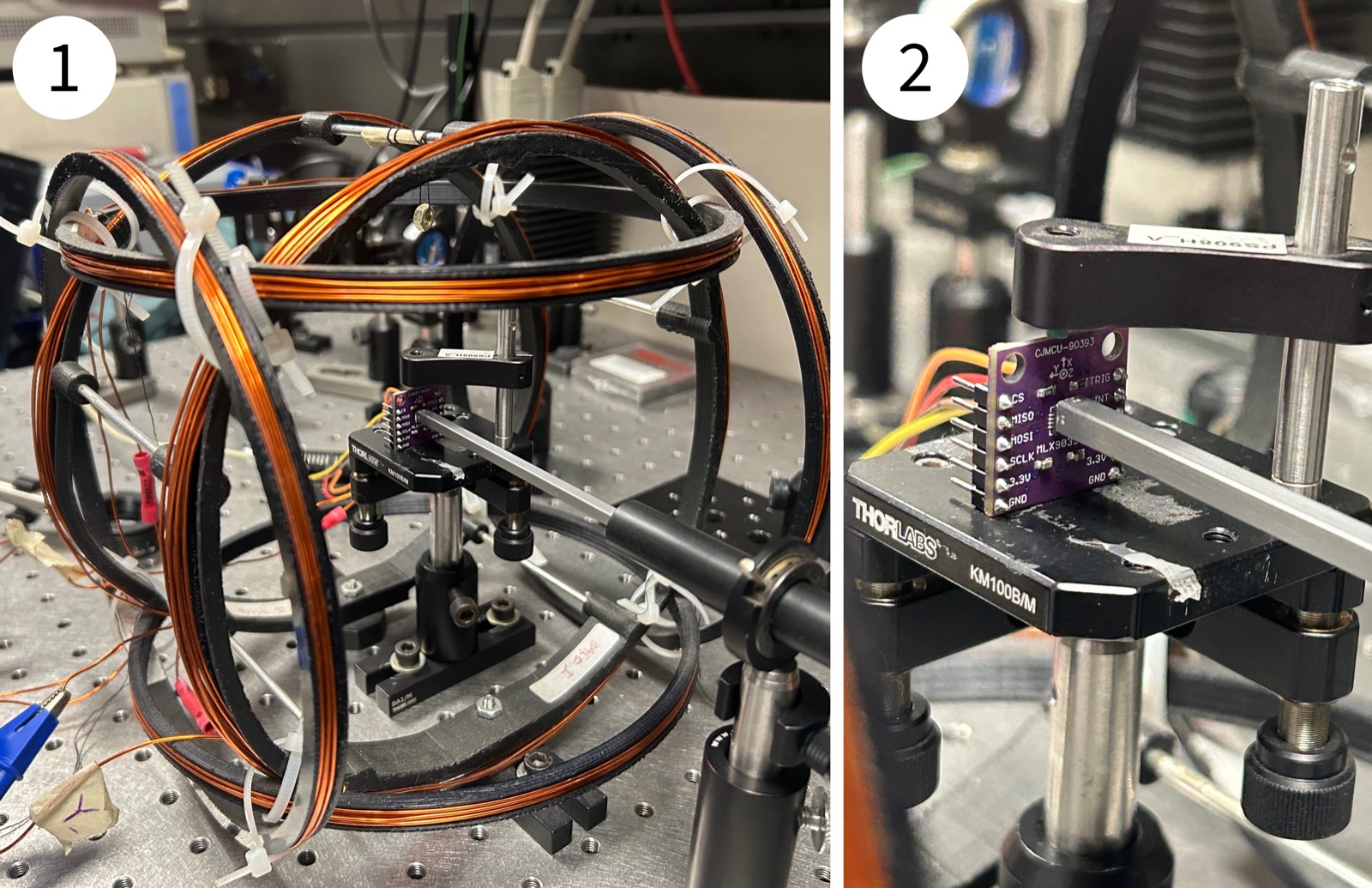
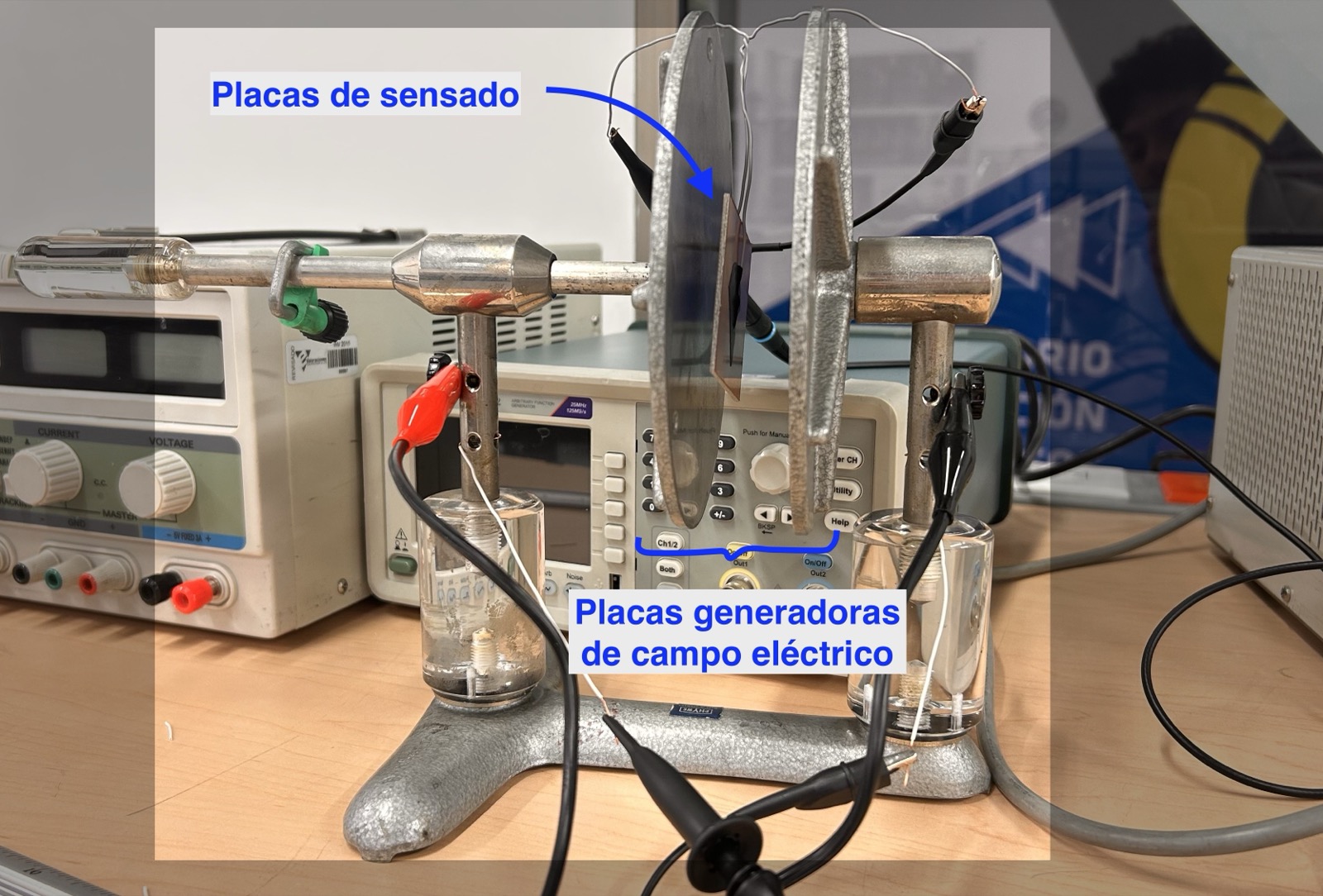
Calibration and validation were done against instruments that cost orders of magnitude more. The magnetometer was characterised inside triaxial Helmholtz coils against a LakeShore F71 teslameter — roughly 20 runs per axis. The electric-field sensor was characterised on a parallel-plate bench driven from 0–150 V at 60 Hz and read on a Rigol oscilloscope.
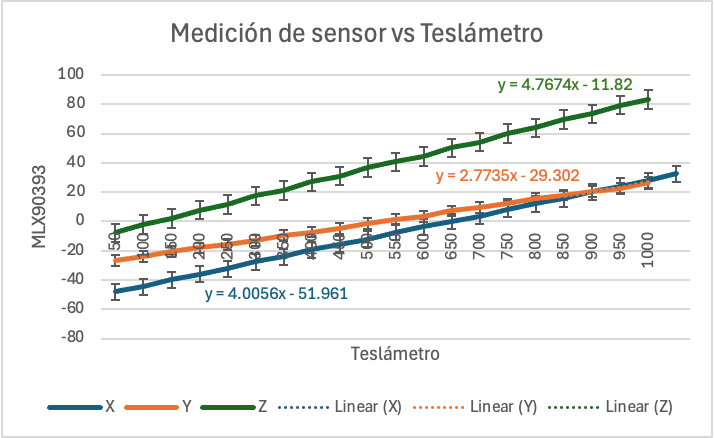
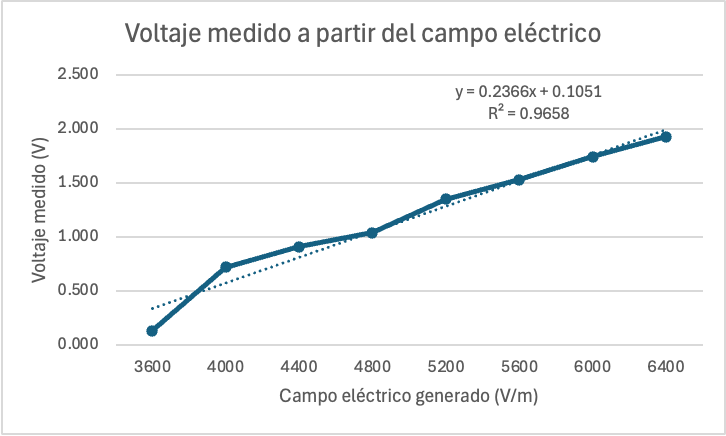
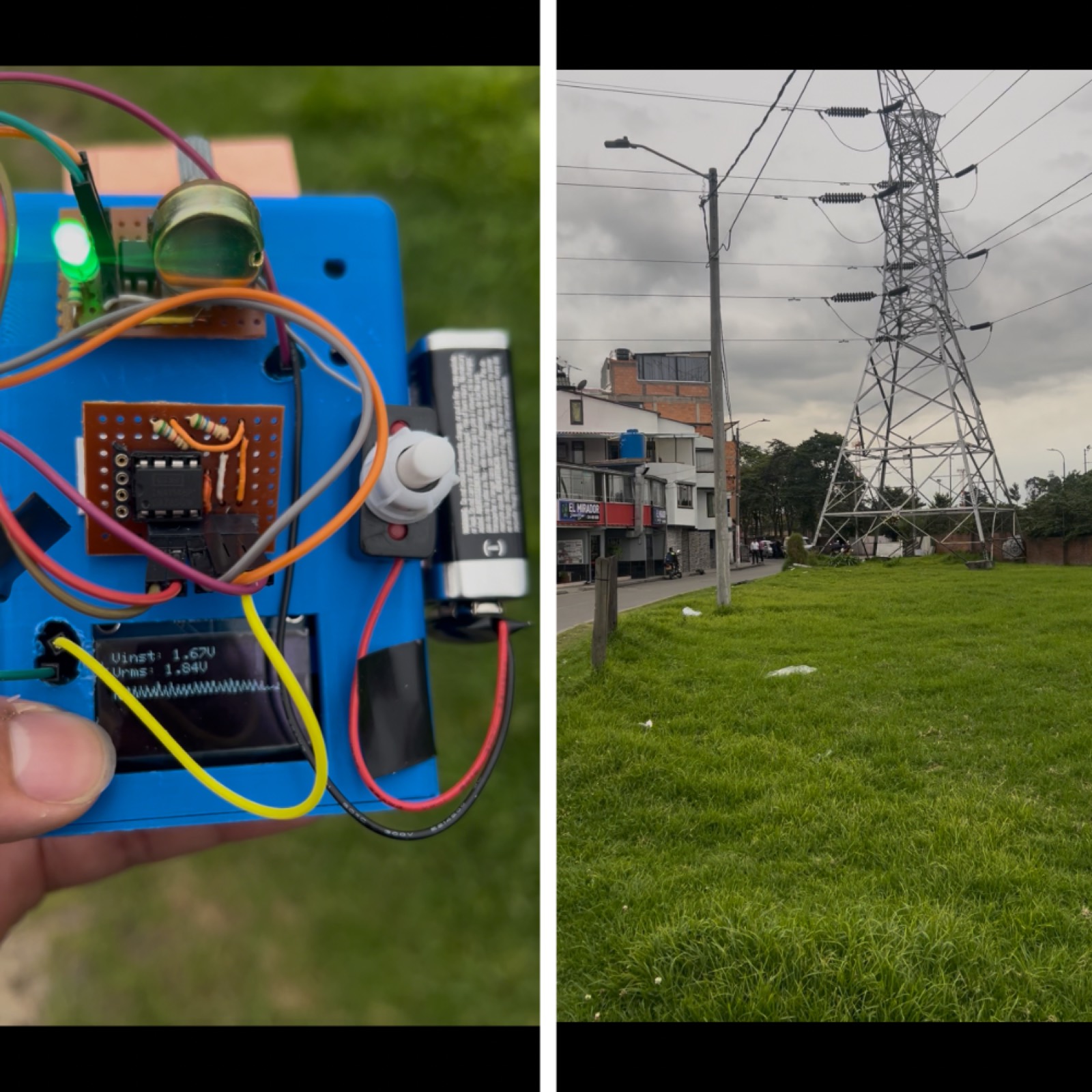
Then it left the lab: an electrical distribution room, an anechoic chamber and a microwave room inside the university, and a measurement campaign along the Enel Salitre substation transmission lines in Bogotá, sampling at 0, 10, 20, 30 and 40 m.
What it showed — and what it didn’t
The prototype tracks magnetic fields linearly up to 70 Hz, which covers mains power and household devices, and it followed the same trends as the professional instruments. On the electric side it registered fields above 3000 V/m near transmission lines and dropped off with distance as theory predicts.
It is not a finished instrument, and the thesis says so. Absolute magnitudes diverge from the calibrated references in high-exposure zones, the per-axis error grows depending on which axis the field is generated along, and the estimates near the power lines are probably over-reading — the conversion from plate voltage to field strength does not yet account for parasitic capacitance. The single largest cause is the one thing the concept diagram shows and the build never got: EMI shielding.
That honest gap is the finding. A USD 55 device with no shielding already reproduces the behaviour of equipment costing thousands; adding a mu-metal enclosure and a better filtering stage is a tractable next step, not a redesign.
What I Learned
Choosing the sensor was a scoring exercise; trusting the numbers afterwards was the real work. Nothing in this project was believable until it had been put next to a LakeShore teslameter and a calibrated bench and made to disagree in ways I could explain.